Important information regarding the contacts and business relationships that you make through the B2B MARKET PLACE, keep in mind that:

  1. PROCOLOMBIA accompanies companies with the purpose of facilitating business opportunities between exporters and buyers, without intervening in purchase and/or sale decisions, therefore, the contractual and legal responsibility of commercial negotiations falls directly on the companies that carried out the commercial transaction (exporter and buyer).
  2. Although PROCOLOMBIA carries out a preliminary investigation of the companies as part of its work methodology and commercial management, this process does not constitute any guarantee of compliance in the negotiations between the parties, for this reason it is recommended that both the exporter and the buyer carry out their own validations and protect their commercial operations with the mechanisms available in international trade regulations.
  3. The relationship between PROCOLOMBIA and the companies in Colombia and abroad, is generated through trust and the experience acquired from previous actions; however, such companies may present situations that could lead to possible breaches, without these being the responsibility of PROCOLOMBIA, which is why both exporters and buyers must ensure that they use secure negotiation tools, seek advice from experts to assess commercial risks and formalize the contractual documents that may be necessary to shield their conversations.
  4. ProColombia will in no case be responsible for the information of the companies and/or products available on this platform since it is filled out completely by each one of the companies.
Icon
Food
Description

Colombia is a mega-diverse country with natural wealth, geographical beauty and diversity in ecosystems, which allows it a capacity to produce and distribute food that is not only appreciated by the locals, but also desired abroad for its unique, authentic and exotic flavors.

Colombia's geographical location means that it has a privileged situation in terms of agricultural production, with a large number of cultivable hectares, as well as companies dedicated to the industrial preparation of food.

A food distributor in Colombia provides inputs to different sectors of the national economy, such as commercial premises in the neighborhoods, companies, casinos, schools, clinics and many other sectors, which can be done with the support of dairy companies in Colombia, suppliers of fruits and vegetables as well as refrigerators and other companies dedicated to the marketing of animal protein.

A food company keeps in its product catalog, a variety of items to offer such as: chili, fruit chili, cookies, oatmeal cookies, butter cookies, chocolate bars, chocolate cookies, chokis, milkshakes, rice cookies, sweet sauce, liquor, artisan liquor, grains, nuts and other products that facilitate the purchasing processes of its business partners

Food companies and wholesale beverage distributors have made a great contribution to the national economy, have generated employment and have invested in technological development and process improvement to impact users with excellent quality and variety of products.
Suppliers of fruits and vegetables export various products with worldwide recognition such as coffee, cocoa, bananas, fruits and other foods such as fruit-based jellies, which has given recognition to the food of Colombia


Image
Alimentos

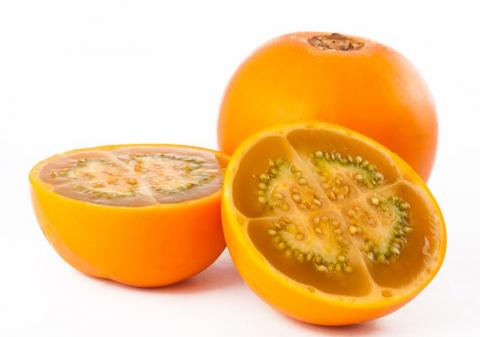
Lulo

Lulo Image
Lulo is a very common fruit in Colombia. It also grows in other Latin American countries, and is known as “naranjilla” in Ecuador, Panama, and Costa Rica. It looks similar to a tomato but with a different consistency and a bright yellow color. It is covered by a fine membrane that is easily removed when washed. It has a bitter and juicy taste and its pulp is full of edible seeds. The pulp can be used in juices with the skin or peeled.

Lulo is rich in vitamin C, vitamin A, vitamin B6, vitamin K, folic acid, niacin and thiamine. It also contains calcium, iron, phosphorus, magnesium, sodium, potassium, zinc and dietary fiber.

Alimentos Granulados de Colombia

We are producers of Panela in the municipality of Andalucía Valle. We manufacture Panela in mold (round, fractional, square) in presentation of 454 g; Piloncillo of 227 g and pulverized panela in presentations of 454 g, 500 g and sack for 25 kilos. Either with a private or own brand.

Mangostino

Mangostino Image
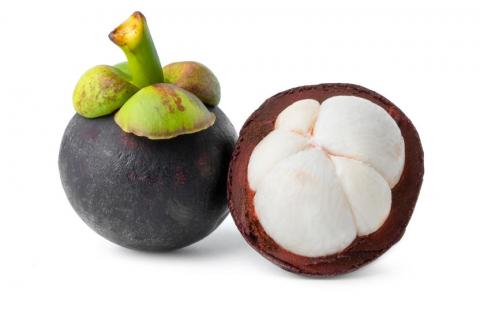
The mangostino has a spherical body. Its skin is fibrous and thick, with a reddish to purple color and a porous and smooth consistency. Mangostinos can be opened by squeezing them between your fingers. Their pulp is white, soft and juicy and consists of 5 to 8 segments.

For consumption, divide the mangosteen in half and remove the skin, remove the segments and eat. The fruit is commonly used in sauces.

Contains Vitamins B2 and B6, Iron, Sodium

Baby Banana

Baby Banana Image
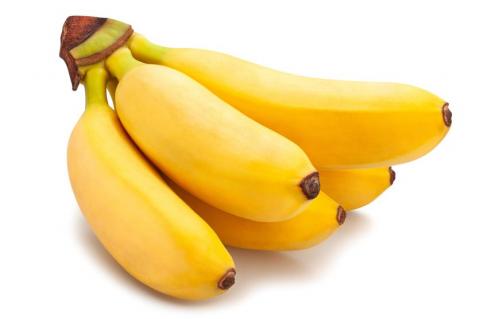
Baby bananas, or “bananitos” belong to the same family as the common banana, but only grow to 7 cm in length. Unlike common bananas, baby bananas grow in regions with moderate climate, between 1,000 and 1,500 MASL. Bananitos are known for their delicious taste, much sweeter than common bananas. While ripening, the fruits turn from green to yellow, finally becoming an intense yellow and developing a slightly soft texture when fully-ripe and ready for consumption.

Baby bananas are rich in vitamin B6, vitamin C, magnesium, potassium and fiber.

Cactus Fig

Cactus Fig Image
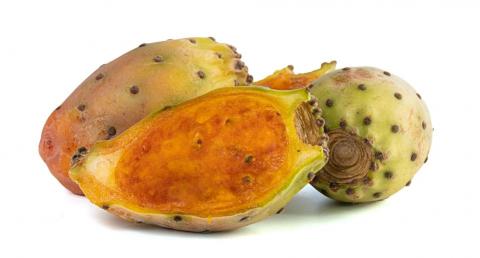
Higo is a fruit that comes from a cactus variety that exists in Latin America, several Mediterranean countries and other desert regions. The fruit produced in Colombia has an oval shape covered in skin with small, almost imperceptible quills. When ripe, its skin color changes from green to orange/red. Its pulp is juicy, smooth, red/orange in color and has many edible seeds. Using gloves or some kind of protection is recommended when removing the skin from the fruit. To easily remove the skin, first remove the two ends of the fruit with a sharp knife and then make a longitudinal cut from top to bottom, this will allow you to easily peel the rest of the fruit. The pulp can be consumed fresh or used to prepare cocktails, juices or salads.

Cactus Fig have high antioxidant activity, attributed to the presence of vitamin C, flavonoids and betalains.

Maracuya or Yellow Passion Fruit

Maracuya or Yellow Passion Fruit Image
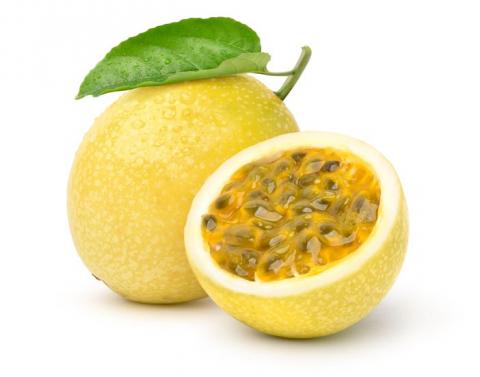
Maracuyá, also known as yellow passion fruit, belongs to the passionflower family along with Granadilla and Gulupa. Its pulp is gelatinous with an intense orange/yellow color, and contains edible black seeds. It is acidic and has a fresh flavor.

When maracuyá is ripe, its skin begins to wrinkle slightly. A smooth fruit with hard skin is also suitable for consumption, but has a stronger acidic flavor.

To consume maracuyá, cut in half and remove the pulp with a spoon. Maracuyá is also used to prepare salads, juices, sauces and ice cream. The skin is not edible.

Maracuyá contains water, calories, proteins, carbohydrates, antioxidants, fats, phosphorus, and iron. It is rich in fiber and Vitamins A, B and C.

Tamarillo

Tamarillo Image
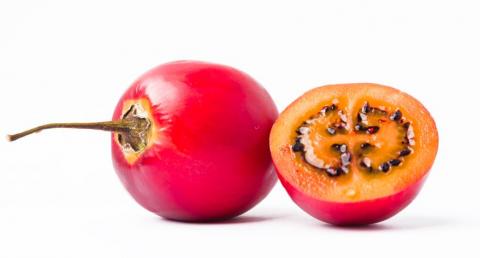
Also known as tree tomato, Tamarillo is an oval shaped fruit with bright red/orange or red/purple skin. The pulp is juicy, red/orange in color and contains small, flat, black/brown seeds that are edible. The taste is slightly acidic. The skin is not edible.

To consume a tamarillo, cut it in half and remove the pulp with a spoon. It is often consumed slightly sweetened, by adding a small amount of your preferred sweetener. The tamarillo is used for preparing juices, salads, sauces, ice cream and desserts.

Tamarillo is high in vitamin A, B6, C, E, iron, and is low in carbohydrates.

Feijoa

Feijoa Image
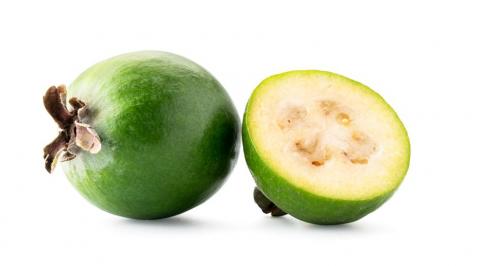
Feijoa has a green color and ellipsoid shape with white pulp and small, edible, white seeds. It has a distinctive, sweet aroma.

The feijoa can be consumed fresh by cutting it in half and scooping out the creamy, white pulp with a spoon. The feijoa is commonly used in salads, juices and ice cream. The skin is not edible.

The feijoa has vitamins A, B1, B2, B3, B6, B9, C, E and minerals such as calcium, iron, magnesium, phosphorus, potassium, sodium and zinc.

Pitahaya or Yellow Dragon Fruit

Pitahaya or Yellow Dragon Fruit Image
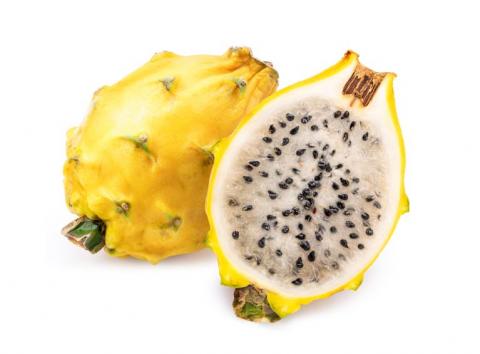
Pitahaya–also known as dragon fruit–belongs to the cactus family. The fruit has an oval shape with protruding formations. The skin is thick, smooth and has a color that varies from green to yellow as it matures. The pulp is greyish white, and dotted with small, edible black seeds. The taste is very sweet, sweeter than red pitaya.

The pitahaya can be consumed fresh, cutting it into halves and removing the pulp with a spoon, it can also be sliced. The pitahaya is known as a digestion-aid. If this effect is not desired, it is recommended to not chew the seeds. The skin is not edible.

It is rich in vitamin C, also contains B vitamins and minerals such as calcium, phosphorus, and iron. Pitahaya has a high water-content, vegetable protein and soluble fiber.

Granadilla or Orange Passion Fruit

Granadilla or Orange Passion Fruit Image
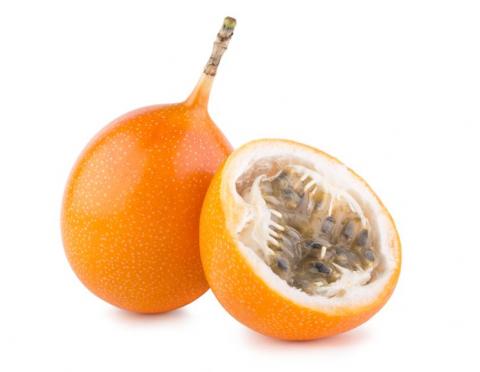
Granadilla is a round, orange fruit with a hard, slightly spongy skin. The pulp is gelatinous, grey in color with small, black, edible seeds and an exquisite flavor.

To consume a granadilla, carefully break the shell with your hand or against a hard surface, ensuring that the pulp does not spill out. Then consume the pulp with a spoon. Granadilla can be used to prepare salads, fruit cocktails or desserts. The skin is not edible.

Granadilla contains potassium, calcium, phosphorus and iron. It also contains healthy proteins and carbohydrates. It provides essential vitamins for the body such as vitamins A, B1, B2, B3, B9, C, E, K and provitamin A. Its seeds are a good source of fiber.